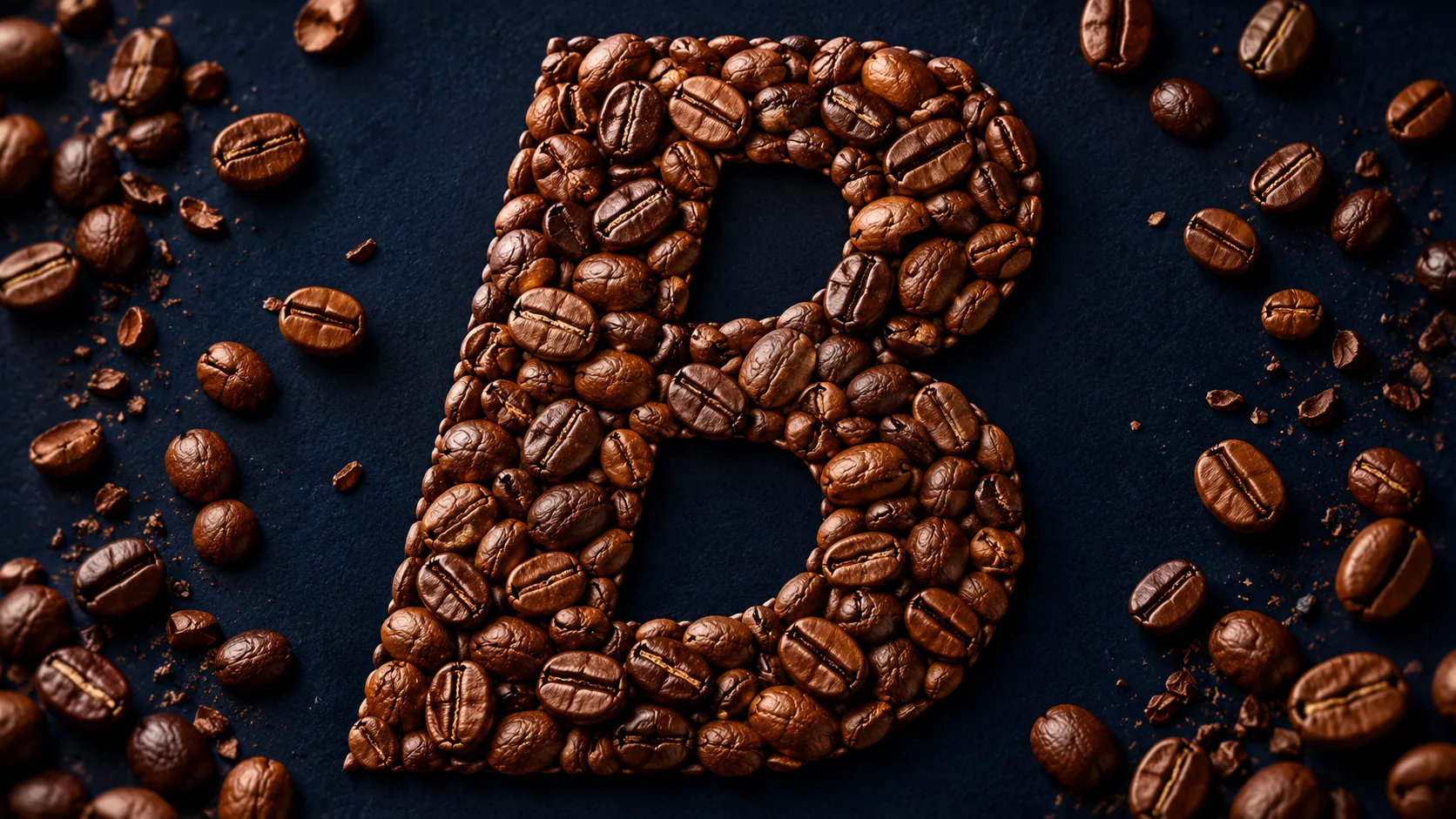
A bean-to-cup machine can only make coffee as good as the beans you put in it. We regularly see well-specified commercial machines making flat, bitter or watery coffee for one simple reason: the beans are wrong for the machine, stale, or stored badly. The good news is that it's the cheapest problem in coffee to fix.
There isn't a single "best" bean. The best coffee beans for bean-to-cup machines are the ones that suit how these machines brew and the drinks you actually serve. This guide covers what to look for, what to avoid, and how to keep beans tasting their best once they arrive. If you'd rather see what we supply first, the coffees are all on the Blend 2 Vend coffee menu.
The Short Answer
Look for whole beans, roasted light-to-medium or medium, with a recent roast date, from a roaster who knows they're going into a bean-to-cup machine. Avoid very dark, shiny, oily beans and flavoured beans. Store them airtight, away from heat and light, and only fill the hopper with what you'll use in a day or two.
Roast Level: Why Medium Usually Wins
Bean-to-cup machines brew espresso-style shots quickly and automatically. That suits beans with enough body and sweetness to taste good both black and with milk.
- Light-to-medium and medium roasts keep the sweetness and character of the bean while still having the body to stand up to milk. They're the safest choice for most workplaces and cafés, and it's why our House Blend is roasted light to medium.
- Very light roasts can taste sharp or sour in an automatic machine unless the grind and settings are carefully set up for them.
- Very dark roasts taste bitter and smoky, hide the character of the bean, and bring a practical problem, covered next.
Avoid Oily and Flavoured Beans
If the beans look shiny and leave an oily film on your fingers, they're usually very dark-roasted. In a bean-to-cup machine, those oils:
- coat the hopper and grinder and can make beans stick instead of feeding through
- build up in the brew unit faster, so the coffee turns stale and bitter between cleans
- can lead to more frequent cleaning and, over time, grinder problems
Flavoured beans (vanilla, hazelnut and so on) are worse, because the sugary coatings gum up the grinder. If you want flavours, add a syrup to the cup instead.
Whatever you use, run the machine's cleaning programmes as prompted. Our bean-to-cup cleaning guide explains why coffee oils are the main cause of bitter coffee.
Whole Beans Only
It sounds obvious, but never put pre-ground coffee in the bean hopper. The machine grinds fresh for every cup, which is the whole point, and ground coffee in the hopper can clog the grinder. Some machines have a separate chute for a single dose of ground coffee. Use that only if your machine has one, and as the manual describes.
Freshness: Read the Roast Date
Coffee is at its best within a few weeks of roasting, and it fades from the moment the bag is opened.
- Look for a roast date, not just a best-before date. Many supermarket bags only show a best-before date, which can be many months after roasting. A roast date tells you how fresh the coffee really is.
- Buy what you'll use. It's better to have smaller, regular deliveries than a cupboard full of beans going stale.
- Rotate stock. Open the oldest bag first.
This is one of the main reasons we restock automatically on a schedule. Beans arrive while they're fresh, rather than in one big order that sits for months. Every coffee on our menu is delivered this way.
Storing Beans Properly
- Keep bags sealed and airtight, ideally in the valved bag they came in, with the air pressed out
- Store them somewhere cool, dry and dark, away from the machine's warm exhaust, ovens and sunny windowsills
- Don't refrigerate or freeze beans you're about to use, because condensation damages them
- Only fill the hopper with a day or two's worth. Beans left in an open hopper for a week go stale.
Match the Beans to Your Drinks
Think about what your site actually drinks.
- Mostly milk drinks (lattes, flat whites, cappuccinos): choose an espresso blend with body and sweetness that comes through milk, like our House Blend. The kind of milk matters too. See fresh milk vs powdered milk coffee machines.
- Lots of black coffee (americanos): a smooth, chocolatey medium roast that tastes good on its own, such as our Brazil Pocos de Caldas.
- A mixed crowd (offices, gyms, corner shops and convenience stores): a crowd-pleasing all-rounder that works black and with milk, with no surprises. If you sell coffee, a consistent bean that customers come back for matters more than an adventurous one. See our guide to coffee machines for convenience stores, corner shops and off-licences.
Blend or single origin? Blends are built for consistency and balance, which suits most commercial machines. Single origins have a more distinctive character and can be great when they suit your customers.
Don't Forget Decaf
More people now want decaf, especially in the afternoon. A good decaf means nobody has to settle for instant. Some machines have a second hopper so you can run decaf alongside your main bean, so ask your supplier what your machine supports. Choose a decaf processed gently so the flavour survives. Ours, Decaf Colombia El Buho, uses a natural sugarcane process rather than harsh chemicals.
Changing Beans? Re-Dial the Machine
Every bean grinds and extracts differently. When you switch to a new coffee, the grind size, dose and sometimes the brewing temperature may need adjusting. Otherwise a great bean can taste weak or bitter simply because the machine is set up for the last one. If your supplier services your machine, ask them to dial in the new bean. If you're doing it yourself, change one setting at a time and taste between changes.
The Coffees We Supply
Every coffee we supply has been tested and refined on our own machines, with the grind and settings dialled in before it reaches you. Our beans come from a small-batch roaster in Brighton. The full details are on our coffee menu, but in short:
- House Blend: our signature espresso blend, roasted light to medium, with notes of milk chocolate, hazelnut and berry. It's built for milk drinks and is a Great Taste Award winner.
- Brazil Pocos de Caldas: a medium-roast single origin, smooth and chocolatey, a safe all-rounder black or with milk.
- Decaf Colombia El Buho: a medium roast decaffeinated with a natural sugarcane process, rich and sweet enough for any drink, morning or night.
Not sure which suits your site? Email sales@blend2vend.com and we can send samples.
How Blend 2 Vend Approaches This
With our machines, choosing and restocking beans is handled for you. We recommend a coffee from our menu for your site, set the machine up for it on installation, and restock beans automatically on a schedule along with milk, cleaning tablets and other consumables, so they arrive fresh. Training at installation covers daily use, cleaning and maintenance, and our 24-hour support line resolves around 99% of issues over the phone. See our services for everything included, or lease to own a machine from £89 a month.
Frequently Asked Questions
What are the best coffee beans for a bean-to-cup machine? Whole beans, roasted light-to-medium or medium, with a recent roast date and a low oil content. A blend with enough body to work in milk drinks suits most sites. Avoid very dark, oily beans and flavoured beans. You can see the coffees we recommend on our menu.
Can I use supermarket coffee beans in a bean-to-cup machine? You can, but check the bag for a roast date. Many supermarket bags show only a best-before date, so the beans may be months old by the time you use them. Avoid very dark or oily supermarket beans, which can clog the grinder.
Why are oily coffee beans bad for bean-to-cup machines? The oils coat the hopper, grinder and brew unit. Beans can stick instead of feeding through, oil residue builds up faster between cleans, and the coffee turns bitter. Over time it can cause grinder problems.
How long do coffee beans stay fresh? They taste best within a few weeks of roasting and fade once the bag is opened. Keep bags sealed, cool and dark, and only fill the hopper with a day or two's worth.
Can I put ground coffee in a bean-to-cup machine? Not in the bean hopper. It can clog the grinder. Some machines have a separate chute for a single dose of ground coffee, so check your manual.
Get the Beans Right From Day One
Book a free demo and taste test. We'll bring a machine to your site, make drinks with our coffees, and recommend the bean that suits what you serve.
Book a free demo → or speak to a specialist.